Common misconceptions about mouthwash and the correct way to use it—are you doing it right?
In today's fast-paced lifestyle, mouthwash has almost become a staple in many people's daily oral care routines. Whether it's during work breaks, after meals, or even before heading out, many people reach for mouthwash to keep their breath fresh. But did you know that mouthwash isn't a magic solution?
Incorrect usage not only fails to achieve the desired effect but may also pose risks to oral health. So, how should mouthwash be used? What are the common misconceptions? Let's take a detailed look today.
1. Common misconceptions about using mouthwash
Mouthwash can replace brushing teeth
Some people believe that using mouthwash to freshen their breath is equivalent to brushing their teeth. In reality, this is not the case. Mouthwash only helps rinse the mouth, reduce the number of oral bacteria, and eliminate bad breath. It cannot completely remove plaque from the surface of the teeth.
The only way to effectively remove plaque is by using a toothbrush and dental floss. If you rely on mouthwash to replace brushing teeth over the long term, oral health issues will only worsen.
The stronger the mouthwash, the better
Some people believe that using mouthwash with a spicy, strong, and stimulating taste is more effective. In fact, the stimulating sensation is merely a matter of taste and does not indicate cleaning power. Long-term use of mouthwash with high alcohol content may cause dryness or damage to the oral mucosa.
This is especially true for individuals with oral ulcers or sensitive gums, who are more likely to experience increased discomfort from the stimulation.
Anyone can use it freely
Mouthwash comes in different types: fluoride-containing mouthwash helps prevent cavities, antibacterial mouthwash reduces gum inflammation, and whitening mouthwash is primarily used to improve tooth color.
Using it indiscriminately without considering the situation may not achieve the desired results. For example, children and pregnant women should not use alcohol-containing mouthwash.
Rinse with water immediately after using mouthwash
This is a small detail that many people overlook. The active ingredients in mouthwash require some time to take effect on the surface of teeth and mucous membranes. If you rinse with water immediately after using mouthwash, it is equivalent to not using it at all. The correct approach is to avoid rinsing or drinking water for 30 minutes after use.
The more times you use mouthwash, the better
Some people have the habit of using mouthwash in the morning, afternoon, evening, or even after every meal. In fact, mouthwash is an auxiliary tool, and overuse may disrupt the balance of oral microbiota or even cause oral dryness. Typically, using it 1-2 times a day is sufficient, and there is no need to overdepend on it.
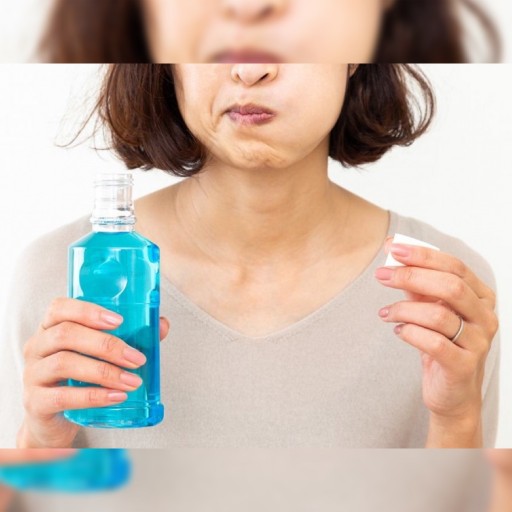
2. The Correct Way to Use Mouthwash
Given so many misconceptions, how should mouthwash be used scientifically?
Brush your teeth first, then use mouthwash
Mouthwash can never replace brushing your teeth. Brushing your teeth morning and night is the foundation. After meals, use dental floss to clean between your teeth, then use mouthwash to achieve optimal cleaning results.
Master the correct mouthwashing technique
Generally, take 10-15 milliliters of mouthwash and hold it in your mouth for 30 seconds to 1 minute. When rinsing, ensure the liquid flows thoroughly into areas prone to plaque buildup, such as between teeth and along the gumline. Avoid swallowing during use.
Choose the appropriate mouthwash based on your needs
Antibacterial mouthwash: Suitable for those with bleeding gums, inflammation, or bad breath;
Fluoride-containing mouthwash: Suitable for those prone to cavities, especially teenagers or those wearing braces;
Soothing mouthwash: Suitable for those with sensitive gums or oral ulcers, as it is gentle and non-irritating;
Whitening mouthwash: Can be used as an adjunct to teeth whitening care, but cannot replace professional whitening.
Note the timing of use
Mouthwash is best used after brushing teeth or after meals. Using it in the morning can keep breath fresh all day, while using it at night can reduce bacterial growth overnight.
Avoid eating or drinking immediately after use
Avoid eating or drinking for at least 30 minutes after using mouthwash to prevent reduced effectiveness.

3. Mouthwash usage recommendations for different populations
Children
Children under 12 years of age are not recommended to use mouthwash indiscriminately, especially alcohol-containing products. Children may accidentally swallow it, potentially causing discomfort. If necessary, it is recommended to choose alcohol-free, low-concentration fluoride mouthwash specifically designed for children under the guidance of a dentist.
Pregnant women
Pregnant women experience significant changes in oral hormone levels, making them prone to gingivitis. However, they should also avoid using mouthwash containing alcohol or excessive ingredients. Choosing mild or doctor-recommended products is safer.
People with braces
After getting braces, it becomes more difficult to clean teeth, making it easier for bacteria to grow. This group of people is suitable for using fluoride or antibacterial mouthwash, which can help reduce cavities and gingivitis.
Patients with oral ulcers or dry mouth
Alcohol-based mouthwash should be avoided, as it may exacerbate discomfort. Mild or soothing mouthwash can be chosen to help alleviate symptoms.

4. Key points of oral care beyond mouthwash
While mouthwash is a helpful tool, it is not a “magic solution” for maintaining oral health. To truly protect oral health, the following aspects should also be addressed:
Brush teeth twice daily
At least twice a day, for no less than two minutes each time, ensuring all surfaces of the teeth are cleaned.
Use dental floss or interdental brushes
A toothbrush alone cannot thoroughly clean between teeth; dental floss can remove food particles and plaque.
Regular oral examinations
Visit the dentist every six months to a year to promptly identify and address dental issues.
Pay attention to dietary habits
Avoid high-sugar foods, limit carbonated beverages, and develop the habit of drinking plenty of water to aid in oral self-cleaning.
Mouthwash is a “bonus” in oral care, but it is by no means a “magic solution.” Many people fall into the misconception that “using mouthwash alone can maintain oral health,” neglecting the most basic practices of brushing and flossing.
The correct approach is to use mouthwash as an auxiliary tool, select appropriate products based on your oral condition and needs, and master the scientific method of use. Only then can the true benefits of mouthwash be realized, ensuring both oral health and fresh breath.
So, the next time you reach for mouthwash, ask yourself: Are you using it correctly?
 1
1 1
1OTHER NEWS
-
- Should you Choose a Real Estate Agent When Buying a Home?
- By Wendy 24 Apr,2023

-
- Watch out for the Following Credit Card Scams!
- By Wendy 24 Apr,2023

-
- Fixed deposits are not as good as flexible financial management? Analysis of financial management trends in 2025
- By ZH 24 Jul,2025

-
- Why Do Most People Overlook “Cash Flow Risk”?
- By ZXY 11 Oct,2025

-
- Do small businesses really need tax services? When can they file their own taxes?
- By YCY 27 Jan,2026

-
- Who is the Primary Lender When Applying for a Home Loan? These Points are Important!
- By Little Grapes 24 Apr,2023

-
- Global manufacturing is slowing down in tandem. When will deflation strike?
- By ZXY 01 Aug,2025

-
- Is German manufacturing losing its edge? The latest casualty of the US-China strategic rivalry
- By ZXY 29 Jul,2025

-
- How to Avoid Being Scammed by Credit Card Fraud!
- By Wendy 24 Apr,2023

-
- Real Estate Investment Needs to be Careful!
- By Little Grapes 24 Apr,2023

-
- What does the upgraded regulation of digital currencies mean to investors?
- By ZH 25 Jul,2025

-
- How much longer can the seven tech giants of the US stock market withstand high interest rates?
- By ZXY 28 Jul,2025