What are
When it comes to the word "fat," many people's first reaction is "weight gain," "high in calories," and "need to eat less." However, those who truly understand nutrition know that fat is not entirely useless. In fact, it's a vital substance in our bodies that sustains life. The crux of the matter isn't whether to eat fat, but rather what kind of fat to eat.
Numerous nutritional studies have clearly distinguished between "good fats" and "bad fats," but the most pressing concern is trans fats hidden in processed foods.
Fat is not the enemy; it's the body's "energy reserve."
Fat is one of the body's three main energy sources (carbohydrates, protein, and fat). It not only provides us with long-lasting energy but also performs many important functions:
Maintaining healthy cell membranes
Assisting in the absorption of fat-soluble vitamins (A, D, E, and K)
Participating in the synthesis of hormones and neurotransmitters in the brain
Completely eliminating fat can lead to dry skin, decreased immunity, and impaired memory. Therefore, the key isn't to "abandon fat" but to learn to choose high-quality, good fats.
Good Fats vs. Bad Fats: What's the Difference?
1. Good Fats (Unsaturated Fatty Acids)
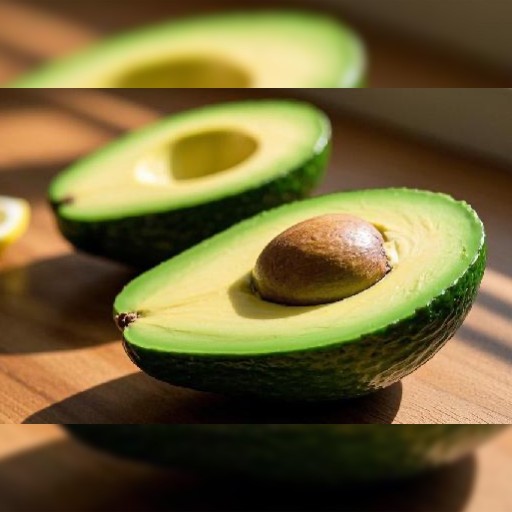
Monounsaturated fatty acids, such as those found in olive oil, avocados, and nuts, help improve blood lipids and lower bad cholesterol (LDL).
Polyunsaturated fatty acids, including the well-known Omega-3 (deep-sea fish, flaxseed, and walnuts) and Omega-6 (sunflower oil and corn oil), protect the heart and benefit brain development.
2. Bad Fats (Saturated & Trans Fats)
Excessive intake of saturated fats can increase blood lipids and increase cardiovascular risk. They are commonly found in animal oils, butter, and fatty meats.
Trans fats: The most dangerous type of "artificial fat," they directly raise bad cholesterol and lower good cholesterol, and are widely considered the "invisible killer" of cardiovascular disease.
Why are trans fats so dangerous?
Trans fats are almost nonexistent in nature and are primarily produced through hydrogenation of vegetable oils. They are widely used in industrially processed foods because they are cheap, stable, and resistant to spoilage. However, long-term consumption can be very harmful to the body. Increases the risk of heart disease and stroke.
Impairs blood vessel elasticity, making blood more viscous.
Increases obesity and insulin resistance, leading to type 2 diabetes.
May affect memory and brain health.
The World Health Organization (WHO) has long called for a global phase-out of trans fats.
How to avoid trans fats? Here's a practical guide!
To avoid trans fats, knowing their names isn't enough; you also need to learn how to avoid the pitfalls when choosing food.
1. Check the food ingredient list.
Products that contain "hydrogenated vegetable oil," "partially hydrogenated oil," or "shortening" often contain high levels of trans fat.
Note: Some packaging may claim "0 trans fat," but as long as the content is less than 0.3g per 100g, it can still be labeled as 0. Therefore, even small amounts consumed frequently can easily accumulate.
2. Minimize the following foods:
All types of margarine and non-dairy cream
Donuts, pastries, cakes, cookies
Instant noodles, fried food, potato chips, and other highly processed snacks
The crunchiness of these foods is largely due to trans fats. 3. Learn to Make Substitutions
Replace hydrogenated oils with natural vegetable oils: Use olive oil, canola oil, and peanut oil more often when cooking.
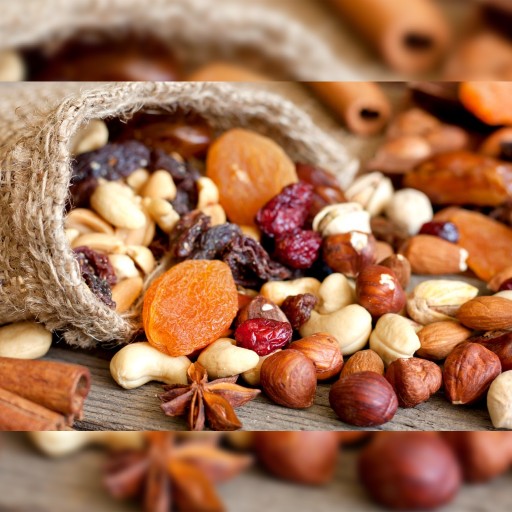
Replace snacks with nuts and avocados: Filling and healthy.
Make your own desserts: Substitute butter and olive oil for margarine.
The Golden Ratio of Daily Fat Intake
Nutritionists recommend:
20%-30% of your daily calories should come from fat.
No more than 10% of this should be saturated fat, and trans fat should be minimized.
Choose more omega-3-rich foods like deep-sea fish, nuts, and flaxseed.
Eat good fats for a more "toned" body.
When you learn to replace bad fats with good ones, positive changes will gradually occur:
More radiant skin
Clearer thinking and improved memory
Reduced cardiovascular stress and a slimmer body.
In summary: Fat isn't the enemy; it's the wrong fats that are the killer.
In our fast-paced modern lives, choosing natural, high-quality fats and avoiding trans fats is the simplest and most effective step we can take for our health. Next time you go to the supermarket, take 30 extra seconds to look at the ingredient list to make your dining table safer and smarter.
 1
1 1
1OTHER NEWS
-
- How much longer can the eurozone hold out? The ECB has reached the end of its rate hike cycle
- By ZXY 01 Aug,2025

-
- Is German manufacturing losing its edge? The latest casualty of the US-China strategic rivalry
- By ZXY 29 Jul,2025

-
- Trump reignites tariff war, global supply chains face another shakeup
- By ZXY 28 Jul,2025

-
- Credit card points and rewards seem cost-effective, but they actually hide these traps
- By ZXY 01 Sep,2025

-
- Fixed deposits are not as good as flexible financial management? Analysis of financial management trends in 2025
- By ZH 24 Jul,2025

-
- Yield Curve Inversion Resurfaces: Is There Still Hope for a Soft Landing in the U.S. Economy?
- By ZXY 31 Jul,2025

-
- How do I Choose Between Selling my Home and Renting it out?
- By Wendy 24 Apr,2023

-
- With China's exports declining, is the global consumption chain beginning to break?
- By ZXY 31 Jul,2025

-
- Why Do Most People Overlook “Cash Flow Risk”?
- By ZXY 11 Oct,2025

-
- How much longer can the seven tech giants of the US stock market withstand high interest rates?
- By ZXY 28 Jul,2025

-
- The widening U.S. fiscal deficit is fueling debt concerns
- By ZXY 30 Jul,2025

-
- Who is the Primary Lender When Applying for a Home Loan? These Points are Important!
- By Little Grapes 24 Apr,2023