Control sugar, control oil, and control salt. Have you done the three steps of healthy weight loss correctly?
In today's fast-paced life, "weight loss" is no longer just for appearance, but also for health. But many people often fall into misunderstandings on the road to weight loss: excessive dieting, cutting carbon water, rejecting all fats... As a result, not only did they not lose weight, but they hurt their bodies.
The core of a truly effective and long-term weight loss method lies in scientific diet management. And "sugar control, oil control, and salt control" are the three key steps for weight loss that are widely recognized by the nutrition community. Today, I will take you to learn in depth how to use these three steps to truly open a relaxed, healthy, and sustainable weight loss path.
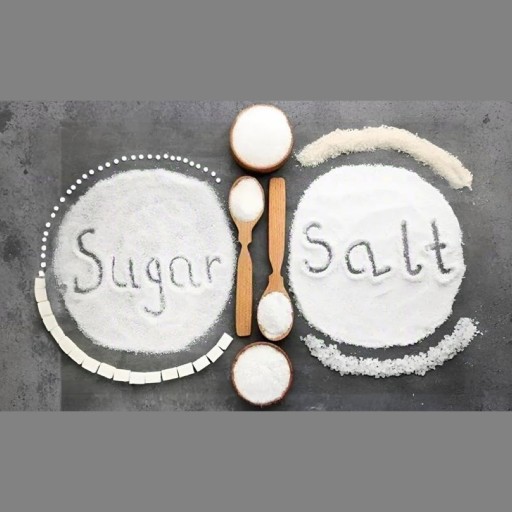
1. Sugar control: not rejecting sugar, but learning to choose
Many people hear "sugar control" and their first reaction is "I want to quit sugar", so they sweep all desserts out of the door. But do you know? The real meaning of sugar control is not to completely avoid sugar, but to control the source and intake of sugar, and learn to live with "sugar".
Why control sugar?
Excessive intake of sugar, especially refined sugar (such as white sugar, fructose syrup, etc.), will stimulate insulin secretion, promote fat synthesis, and easily lead to fat accumulation, abdominal obesity, blood sugar fluctuations and other problems. Long-term high-sugar diet may also increase the risk of diabetes, fatty liver, and cardiovascular disease.
How to control sugar healthily?
Reduce the intake of "invisible sugar": beverages, cakes, yogurt, and sauces often hide a lot of added sugar, so be sure to learn to read nutrition labels.
Choose low-GI foods: For example, whole grains, brown rice, sweet potatoes, etc., which raise blood sugar more slowly than white rice and white flour, and are more filling.
Replace desserts with fruits: natural sugar + fiber has the dual benefits of satisfying appetite and being healthy.
Reasonable arrangement of carbon water: not completely rejecting, but eating smartly, breakfast and lunch can be consumed in moderation, and dinner can reduce the proportion of carbon water.
2. Oil control: reject the temptation of fried food and embrace good fats
Many people think that "oil = fat", so they choose to cook meals without adding oil during weight loss, but in fact, fat is one of the three essential nutrients for the human body. The key is to choose the right source of fat and the way to take it.
Why control oil?
Oil is high in calories, and each gram of fat provides 9 calories, which can easily make a meal "burst". In particular, excessive trans fat and saturated fat will increase cholesterol and cause cardiovascular burden, which is the "obesity pusher" hidden behind food.
How to control oil smartly?
Stay away from frying and high-temperature cooking: Fried foods absorb a lot of oil and produce harmful substances. Try to choose low-oil methods such as steaming, boiling, and stewing.
Choose "good oil": olive oil, linseed oil, and nut fats are rich in unsaturated fatty acids, which help to lower fat and fight inflammation.
Control the amount: It is recommended to consume no more than 25 grams (about 2 spoons) of vegetable oil per day, and you can use a spray bottle to accurately control it when cooking.
Eat more natural foods containing good fats: such as avocados, salmon, and walnuts, which not only help metabolize fat-soluble vitamins, but also prolong satiety.
3. Control salt: Reduce edema and burden, change from "heavy taste" to "light"
Salt is often overlooked in the topic of weight loss, but in fact it also plays an important role. Long-term high-salt diet not only makes you prone to edema and difficult to lose weight, but may also lay hidden dangers such as high blood pressure and heart disease.
Why control salt?
Excessive sodium intake will cause the body to store water, causing edema, and look "fatter". In addition, salt may stimulate taste buds, increase appetite, and make people eat more unconsciously and consume more calories.
How to control salt scientifically?
Daily salt intake should not exceed 5 grams: This is the upper limit recommended by the World Health Organization, about the amount of a beer bottle cap.
Reduce processed foods: instant noodles, ham, pickled products, snacks, etc. are all high-sodium traps.
Use natural seasonings instead of salt: lemon juice, vanilla, pepper, vinegar, etc. can increase flavor without additional sodium burden.
Develop a habit of light taste: After long-term training of taste, heavy taste will make you feel too salty, and become healthier and more natural.
4. synergistic efforts, is the real healthy weight loss
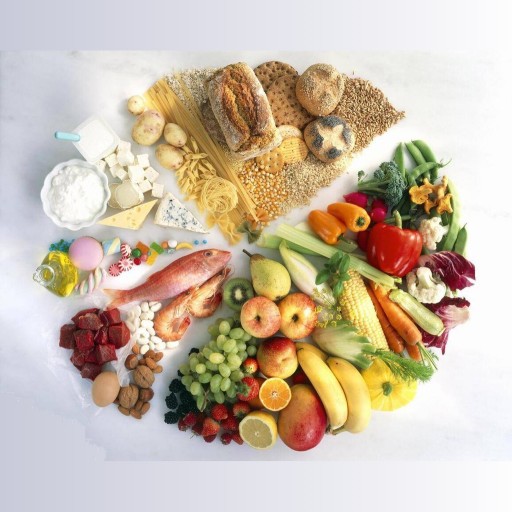
Many people only do part of it right, such as controlling calories without looking at the quality of food, or exercising without adjusting diet, which can easily fall into the cycle of "weight rebound". Controlling sugar, oil, and salt are interrelated and complementary, and none of them can be missing:
Controlling sugar helps you stabilize blood sugar and prevent overeating;
Controlling oil reduces calorie intake while maintaining nutritional balance;
Controlling salt avoids edema and improves the metabolic environment.
Combining a balanced diet, regular work and rest, and proper exercise can make weight loss easier, more efficient, and more sustainable.
Conclusion: Starting from small habits, you can also lose weight easily
Healthy weight loss does not require complex recipes or extreme diet plans. Starting with one meal and one drink every day is the beginning of change. Before eating next time, you might as well ask yourself: "
Is this meal controlled in sugar, oil, and salt?" As long as the direction is correct and the method is scientific, fat loss is not difficult, and health is the end. Are you ready to start this trilogy journey?
 1
1 1
1OTHER NEWS
-
- Should you Choose a Real Estate Agent When Buying a Home?
- By Wendy 24 Apr,2023

-
- Watch out for the Following Credit Card Scams!
- By Wendy 24 Apr,2023

-
- Fixed deposits are not as good as flexible financial management? Analysis of financial management trends in 2025
- By ZH 24 Jul,2025

-
- Why Do Most People Overlook “Cash Flow Risk”?
- By ZXY 11 Oct,2025

-
- Do small businesses really need tax services? When can they file their own taxes?
- By YCY 27 Jan,2026

-
- Who is the Primary Lender When Applying for a Home Loan? These Points are Important!
- By Little Grapes 24 Apr,2023

-
- Global manufacturing is slowing down in tandem. When will deflation strike?
- By ZXY 01 Aug,2025
-
- Is German manufacturing losing its edge? The latest casualty of the US-China strategic rivalry
- By ZXY 29 Jul,2025

-
- How to Avoid Being Scammed by Credit Card Fraud!
- By Wendy 24 Apr,2023

-
- Real Estate Investment Needs to be Careful!
- By Little Grapes 24 Apr,2023

-
- What does the upgraded regulation of digital currencies mean to investors?
- By ZH 25 Jul,2025

-
- How much longer can the seven tech giants of the US stock market withstand high interest rates?
- By ZXY 28 Jul,2025