Is Botox a medication or a cosmetic procedure?
Botox is a term nearly everyone recognizes, yet few truly understand. Some associate it with smooth foreheads and wrinkle-free selfies. Others think of medical clinics and neurological treatments.
This confusion leads to a very common question: Is Botox a drug or a cosmetic treatment? In short, Botox is both a drug and a cosmetic treatment—but not simultaneously, nor in the same way. To understand this clearly, especially if you're considering cosmetic procedures, it's best to view Botox from medical, regulatory, and practical application perspectives.
The Nature of Botox
Botox is the brand name for botulinum toxin type A, a purified protein extracted from Clostridium botulinum. In very small, controlled doses, this substance temporarily blocks nerve signals to muscles. When nerve signals weaken, muscles relax. This mechanism underpins all uses of botulinum toxin, whether medical or cosmetic.
The distinction lies not in the substance itself, but in its intended purpose, injection site, and regulatory framework. Crucially, botulinum toxin is not a cream, filler, or skincare product. It is an injectable prescription medication that must be manufactured, stored, and administered under strict medical supervision.
From a regulatory standpoint, botulinum toxin is formally classified as a drug in most developed countries.
For example:
* In the United States, botulinum toxin is approved by the U.S. Food and Drug Administration (FDA) for prescription drug use.
* In the United Kingdom, it is classified as a prescription-only medicine (POM).
* In France, New Zealand, and most of Europe, botulinum toxin also requires medical authorization and professional supervision.
This classification stems from botulinum toxin's direct impact on communication between nerves and muscles—a physiological function. Any substance altering this process is considered a drug, not a cosmetic.
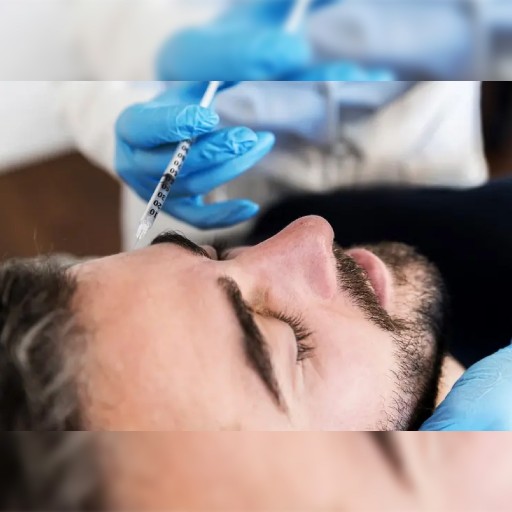
Conditions Treated with Botulinum Toxin
Botulinum toxin was originally developed and approved for medical use long before its popularity for cosmetic purposes. Today, it is commonly used to treat the following conditions:
* Chronic migraines
* Hyperhidrosis (excessive sweating)
* Muscle spasms (often occurring after stroke or in cerebral palsy patients)
* Cervical dystonia (neck muscle spasms)
* Overactive bladder
* Certain eye conditions, such as strabismus and blepharospasm
In these cases, botulinum toxin is clearly a therapeutic drug used to treat or manage diagnosed medical conditions. Dosage, injection sites, and treatment intervals are determined according to medical protocols.
Why Cosmetic Botox Injections Remain a Medical Procedure
Cosmetic Botox injections typically target muscles responsible for facial expression lines, such as:
* Forehead lines
*Glabellar lines
*Periorbital crow's feet
Although the goal is aesthetic enhancement rather than disease treatment, the procedure involves the use of prescription medication, requires anatomical knowledge, and carries potential medical risks.
For this reason, in most developed countries, cosmetic botulinum toxin injections must still be prescribed or administered by licensed medical professionals, or performed under medical supervision.
So why is “Botox injection” commonly referred to as a cosmetic procedure in everyday language? Because it is non-essential, not medically necessary, aimed at improving appearance, typically performed in clinics rather than hospitals, and usually requires out-of-pocket payment. Thus, while the substance itself is a drug, its intended use classifies it as a cosmetic treatment.
Key Distinctions
Confusion about botulinum toxin stems from mixing two distinct questions:
1. What is botulinum toxin?
2. Why is botulinum toxin used?
Botulinum toxin itself is always a drug. The injection procedure can be:
Medical treatment (for health conditions)
Cosmetic procedure (for appearance enhancement)
This distinction matters because it affects:
* Who can administer the injections
* How risks are assessed
* How treatment outcomes are evaluated
* Whether insurance applies
In countries with developed healthcare systems, patients often approach botulinum toxin with both medical caution and curiosity about its cosmetic effects. Many considering cosmetic injections don't view themselves as traditional “patients.”
They may be healthy adults simply seeking to smooth wrinkles or maintain a youthful appearance. Many find reassurance in the fact that Botox is medically regulated rather than sold as an over-the-counter cosmetic product. This dual perception explains why Botox occupies a unique position: straddling medicine and aesthetics without fully belonging to either category.
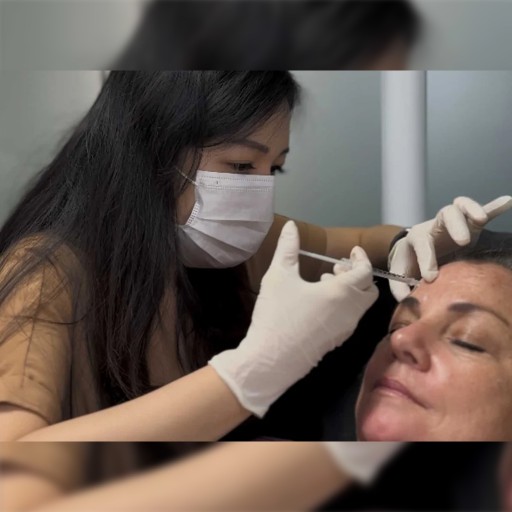
Safety Considerations
The fact that Botox is a medication has practical implications for safety. Botox is administered in very small doses. Even a difference of a few units can shift results from subtle relaxation to an unnatural appearance or functional discomfort. While generally considered safe when used correctly, potential side effects exist, such as:
* Temporary muscle weakness
* Drooping eyelids or eyebrows
* Headaches
* Facial asymmetry
* Rare systemic reactions if injected improperly
Given these risks, botulinum toxin use within regulated healthcare systems is not arbitrary. For many, deciding whether to receive botulinum toxin injections is not merely a medical or cosmetic choice, but a personal one. Some view it as preventive care to delay skin aging.
Others consider it unnecessary or worry about appearing unnatural. Understanding that Botox is a medication, not merely a cosmetic treatment, often prompts more careful decision-making. If you're considering Botox for cosmetic purposes, recognizing its medical nature can help you make a more informed choice.
Select a qualified physician, ask targeted questions, understand realistic outcomes, and acknowledge that “non-surgical” does not equate to “risk-free.” A rational approach doesn't mean fear—it means clear awareness.
 1
1 1
1OTHER NEWS
-
- With China's exports declining, is the global consumption chain beginning to break?
- By ZXY 31 Jul,2025

-
- Should you Choose a Real Estate Agent When Buying a Home?
- By Wendy 24 Apr,2023

-
- Gold surges to a new all-time high—what are investors afraid of?
- By ZXY 29 Jul,2025

-
- Trump reignites tariff war, global supply chains face another shakeup
- By ZXY 28 Jul,2025

-
- High-yield stocks vs. growth stocks: Which type of investment is more resistant to risks? A game of wealth defense and offense
- By ZH 23 Jul,2025

-
- Yield Curve Inversion Resurfaces: Is There Still Hope for a Soft Landing in the U.S. Economy?
- By ZXY 31 Jul,2025

-
- Mobile phone is the bank: one-click account opening, one-click financial management, digital financial life is coming
- By ZH 24 Jul,2025

-
- How do I Choose Between Selling my Home and Renting it out?
- By Wendy 24 Apr,2023

-
- How much longer can the eurozone hold out? The ECB has reached the end of its rate hike cycle
- By ZXY 01 Aug,2025

-
- Do small businesses really need tax services? When can they file their own taxes?
- By YCY 27 Jan,2026

-
- How to Avoid Being Scammed by Credit Card Fraud!
- By Wendy 24 Apr,2023

-
- How much longer can the seven tech giants of the US stock market withstand high interest rates?
- By ZXY 28 Jul,2025