Smart Gardening Tips to Resist Pests and Diseases
When it comes to gardening, few things are more frustrating than pests and plant diseases. Yellowing leaves, black spots, wilting stems, or insects chewing on tender foliage can ruin the beauty of your flowers and even cause entire plants to die.
For beginners, these problems may seem overwhelming, but the truth is, with the right strategies, it’s entirely possible to keep your garden thriving without relying heavily on harsh chemicals.
1. Healthy Soil Is the Foundation
Plant resistance starts at the root level. Nutrient-rich, well-draining soil strengthens plants, making them less vulnerable to fungi and harmful pathogens.
Add organic matter: Compost, leaf mold, or organic fertilizers enrich the soil and improve water retention.
Ensure good drainage: Prevent standing water, which creates a breeding ground for fungi.
Rotate crops: If you have a vegetable patch, rotate plants annually to reduce soil-borne disease buildup.
Strong, healthy soil acts like a plant’s immune system.
2. Choose Disease-Resistant Varieties
For beginners, selecting plants bred to resist common pests and diseases can save a lot of trouble. Many roses now have improved resistance to black spot, and certain tomato varieties are less prone to fungal infections.
When buying seeds or seedlings, look for labels such as “disease resistant” or “pest resistant”. These choices will make plant care much easier.
3. Water the Right Way
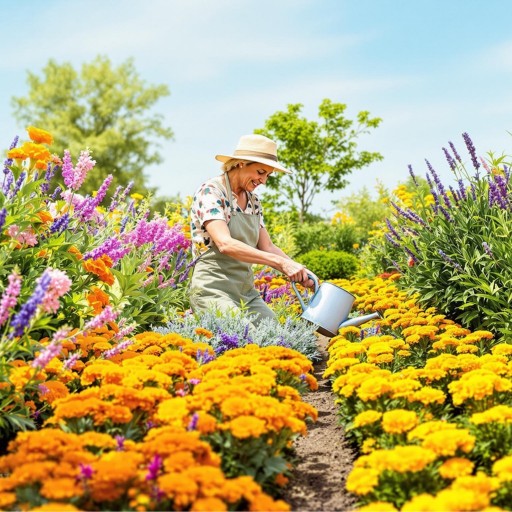
Improper watering is one of the biggest causes of disease. Fungal issues like powdery mildew or downy mildew often thrive in damp conditions.
Water at the base, not on leaves: Prevents moisture from sitting on foliage.
Water early in the morning: So leaves dry quickly during the day.
Avoid overwatering: Soggy soil leads to root rot and attracts pests.
A good watering routine is one of the simplest ways to keep plants healthy.
4. Improve Air Circulation
Overcrowded plants trap moisture and create the perfect environment for disease. Proper spacing and pruning help prevent problems.
Prune dense growth: Remove yellowing or overlapping branches.
Avoid crowding: Give each plant enough room to breathe.
Ventilate indoor plants: Use a fan or open a window during humid months.
Better airflow means healthier plants.
5. Natural Pest Control Tricks
Not every pest problem requires chemical sprays. Many natural methods are surprisingly effective.
Soapy water spray: Helps against aphids and spider mites.
Neem oil: A safe, natural option that deters many pests and suppresses fungi.
Hand-picking or rinsing: For small infestations, simply remove pests by hand or wash them away.
These eco-friendly solutions are safe for beginners and kind to the environment.
6. Attract Nature’s Helpers
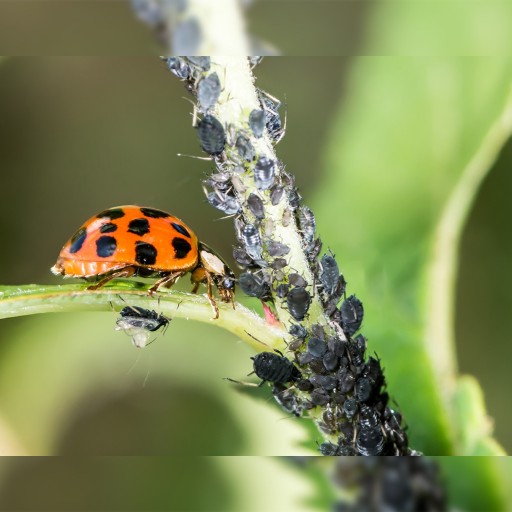
Your garden has allies if you know how to invite them.
Ladybugs: Devour hundreds of aphids.
Lacewings: Their larvae feast on mites and tiny insects.
Bees and butterflies: While not pest predators, they improve pollination, helping plants grow stronger.
Grow flowers like lavender, marigold, or mint to attract these beneficial insects.
7. Spot Problems Early
The sooner you notice an issue, the easier it is to fix.
Check leaves regularly: Look for spots, mildew, or bite marks.
Inspect new growth: Young leaves and buds are often targeted by pests.
Take quick action: Remove infected leaves or apply a natural spray before the problem spreads.
Early detection can save an entire plant.
8. Keep Your Garden Clean
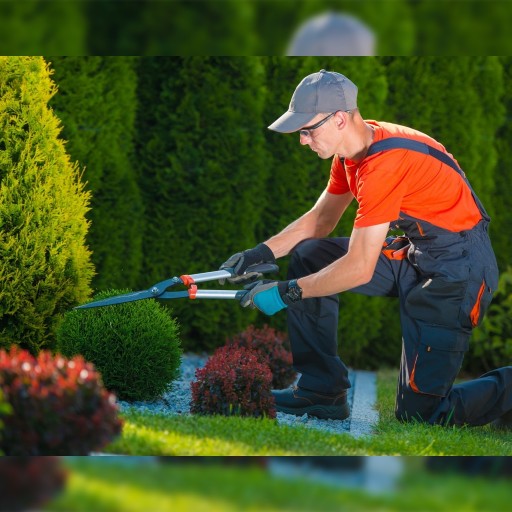
Clutter in the garden provides shelter for pests and diseases.
Remove fallen leaves and debris: Prevents fungi from spreading.
Control weeds: They compete for nutrients and may host insects.
Clean your tools: Wipe pruners and pots to stop diseases from transferring.
A tidy garden is both beautiful and healthier.
Gardening isn’t about fighting pests and diseases endlessly—it’s about creating balance with nature. By focusing on prevention through healthy soil, proper watering, good airflow, natural remedies, and beneficial insects, you’ll find that many problems can be avoided altogether.
Pests and diseases will always exist, but they don’t have to ruin your garden. With these simple tricks, even beginners can keep their flowers blooming and enjoy the peace of mind that comes from a thriving, pest-resistant garden.
 1
1 1
1OTHER NEWS
-
- With China's exports declining, is the global consumption chain beginning to break?
- By ZXY 31 Jul,2025

-
- Should you Choose a Real Estate Agent When Buying a Home?
- By Wendy 24 Apr,2023

-
- Gold surges to a new all-time high—what are investors afraid of?
- By ZXY 29 Jul,2025

-
- Trump reignites tariff war, global supply chains face another shakeup
- By ZXY 28 Jul,2025

-
- High-yield stocks vs. growth stocks: Which type of investment is more resistant to risks? A game of wealth defense and offense
- By ZH 23 Jul,2025

-
- Yield Curve Inversion Resurfaces: Is There Still Hope for a Soft Landing in the U.S. Economy?
- By ZXY 31 Jul,2025

-
- Mobile phone is the bank: one-click account opening, one-click financial management, digital financial life is coming
- By ZH 24 Jul,2025

-
- How do I Choose Between Selling my Home and Renting it out?
- By Wendy 24 Apr,2023

-
- How much longer can the eurozone hold out? The ECB has reached the end of its rate hike cycle
- By ZXY 01 Aug,2025

-
- Do small businesses really need tax services? When can they file their own taxes?
- By YCY 27 Jan,2026

-
- How to Avoid Being Scammed by Credit Card Fraud!
- By Wendy 24 Apr,2023

-
- How much longer can the seven tech giants of the US stock market withstand high interest rates?
- By ZXY 28 Jul,2025