With so many health-promoting teas available, which one is best for your constitution?
In the global wellness trend, "health-promoting tea" is no longer exclusive to Easterners.
Whether in a New York cafe, a London tea shop, or a Parisian organic food market, you can find a dazzling array of health-promoting teas—some focus on beauty and nourishing the skin, others emphasize sleep and relaxation, and still others promote digestive health and immune system boosting. However, different body constitutions require different types of tea.
Choosing the right one not only brings the comfort of tea aroma but also tangible health benefits. Choosing the wrong one can diminish the benefits or even backfire.
I.Understand Your Constitution
In Traditional Chinese Medicine (TCM), human constitutions are broadly categorized into: balanced, cold, hot, damp, qi deficiency, and blood deficiency. This classification system is gaining increasing acceptance overseas because it emphasizes personalized health care, rather than a one-size-fits-all approach.
Balanced: Normal body temperature, high energy, and a regular diet and sleep schedule. Cold constitution: Cold hands and feet, fear of cold and wind, and poor digestion.
Hot constitution: Prone to internal heat, dry mouth and tongue, and acne.
Damp constitution: Feeling heavy, fatigued, and having a thick, greasy tongue coating.
Qi deficiency: Shortness of breath and fatigue, low voice, and weak immunity.
Blood deficiency: Pale complexion, dizziness, fatigue, and insomnia.
Whether you live in China or abroad, you don't need to follow a strict Traditional Chinese Medicine constitution assessment. However, you can make a rough assessment based on your daily experience. For example, whether you're always cold or hot, and whether you're easily fatigued or energetic can help you find the right tea for you.
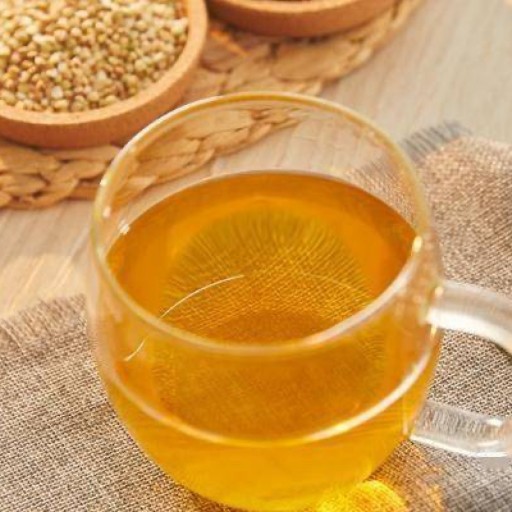
II. Recommended health teas for different body types
1. Balanced constitution
Herbal tea is best. People with a balanced constitution are adaptable and can drink most types of tea. For daily health, choose teas with a refreshing flavor and mild effects, such as chamomile tea, rose tea, or jasmine green tea.
Chamomile has a long history of medicinal use in Europe, known for relaxing and improving sleep. Rose tea not only has a pleasant aroma but also relieves tension and fatigue.
Tip: People with a calm temperament enjoy tea more for the enjoyment of life, so they can choose the right tea to suit their mood.
2. Cold Constitution: Ginger Tea for Warming
People with a cold constitution are suited to warming or hot teas, such as ginger black tea, longan and red date tea, and cinnamon tea. In countries with cold winters like the UK and Canada, these teas not only warm the body but also relieve cold hands and feet and promote blood circulation.
Ginger black tea is also popular in Japan and South Korea, especially among women, and is considered a must-have winter health drink.
Tip: Avoid drinking cold teas like green tea and mint tea for extended periods, as this can exacerbate cold symptoms.
3. Hot Constitution: Chrysanthemum and green tea reduce internal heat
People with a hot constitution often experience thirst and dry throats. Chrysanthemum tea, mint tea, and green tea are good choices for this. In China, chrysanthemum is a classic herbal tea for reducing internal heat.
In the West, mint tea is beloved for its cooling taste, freshening breath and helping to relieve digestive discomfort. Green tea, rich in antioxidants, is also beneficial for cardiovascular health.
Tip: Avoid excessive consumption of hot teas like black tea and cinnamon tea, as this can exacerbate internal heat.
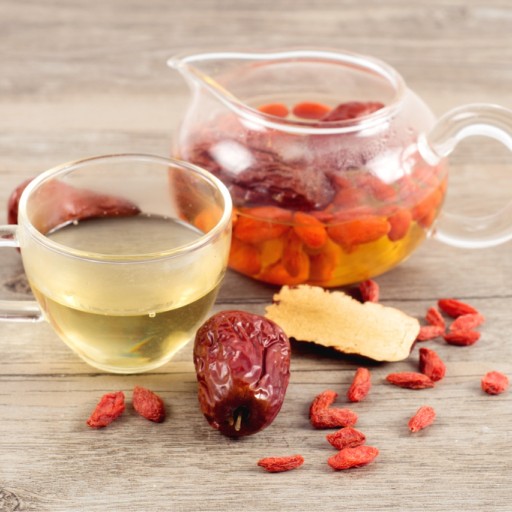
4. Damp Constitution: Job's Tea Helps Remove Dampness
A damp constitution is often associated with weight gain, drowsiness, and even joint pain. Job's Tears, Pu'er Tea with Tangerine Peel, and Raw Pu'er Tea can help remove dampness and improve digestion.
In Southeast Asia, Job's Tears is often used as a summer refreshment, removing dampness and reducing swelling. You can also find roasted Job's Tears tea bags in Western health food stores.
Tip: People with a damp constitution should limit sweet or milky teas to avoid exacerbating dampness. 5. Qi Deficiency: Ginseng Tea for Qi Replenishment
People with Qi deficiency often experience fatigue and difficulty speaking. Ginseng tea, astragalus tea, and wolfberry and red date tea are suitable for this group.
In the United States and Europe, ginseng tea is marketed as a health drink to boost energy and immunity, and is particularly popular during seasonal changes or periods of stress. In Asia, astragalus tea is considered a mild Qi-tonifying drink suitable for long-term consumption.
Tip: People with Qi deficiency should avoid overly cold teas to avoid depleting Yang Qi.
5. Blood Deficiency: Red Date and Wolfberry Tea for Blood Nourishment
People with Blood Deficiency often experience pale complexions and are prone to insomnia and forgetfulness. Red date and wolfberry tea, or angelica and longan tea, are suitable for this group. These teas not only replenish blood and enhance beauty, but also improve sleep quality.
In beauty-conscious countries like France and Italy, these teas are very popular among women and are considered natural "beauty drinks."
Tip: People with Blood Deficiency should avoid drinking plain tea (such as light green tea) to replace meals to replenish blood. Instead, they should combine them with nourishing ingredients.
3. Tips for Purchasing Healthy Teas Abroad
Read the ingredient list: Healthy teas available overseas may contain added flavors or sugar; it's recommended to choose natural ingredients.
Pay attention to the tea's origin: Teas from different origins can have different flavors and benefits, such as Chinese Pu'er, Sri Lankan black tea, and Japanese matcha, each with its own distinct characteristics.
Try blending: The popular concept of "tea blending" in Europe and the United States involves combining two or more teas to preserve their benefits while enriching the taste.
Drink in moderation: Even for healthy teas, excessive consumption is advised; 1-3 cups per day is sufficient, adjusting according to your individual needs.
III. Healthy tea is more than just "Eastern wellness."
To many foreigners, tea may be just another beverage besides coffee, but in Eastern culture, tea is closely linked to health. This concept is spreading globally, with many overseas teahouses incorporating Chinese herbal medicine elements, blending tradition with modernity.
For example, a London tea house offers "afternoon tea with Chinese herbal medicine lectures," and a New York health cafe offers "ginseng matcha latte," allowing more people to experience Eastern wellness wisdom in a fashionable way.
The appeal of health tea lies not only in its aroma and flavor, but also in its ability to be personalized to your individual constitution. No matter where you are, whether facing the chill of winter or the scorching heat of summer, you can always find a health tea that's just right for you.
Remember, the key to healthy tea drinking isn't blindly following trends, but understanding yourself and the tea itself, allowing each cup to become your own personal health prescription.
 1
1 1
1OTHER NEWS
-
- With China's exports declining, is the global consumption chain beginning to break?
- By ZXY 31 Jul,2025

-
- Should you Choose a Real Estate Agent When Buying a Home?
- By Wendy 24 Apr,2023

-
- Gold surges to a new all-time high—what are investors afraid of?
- By ZXY 29 Jul,2025

-
- Trump reignites tariff war, global supply chains face another shakeup
- By ZXY 28 Jul,2025

-
- High-yield stocks vs. growth stocks: Which type of investment is more resistant to risks? A game of wealth defense and offense
- By ZH 23 Jul,2025

-
- Yield Curve Inversion Resurfaces: Is There Still Hope for a Soft Landing in the U.S. Economy?
- By ZXY 31 Jul,2025

-
- Mobile phone is the bank: one-click account opening, one-click financial management, digital financial life is coming
- By ZH 24 Jul,2025

-
- How do I Choose Between Selling my Home and Renting it out?
- By Wendy 24 Apr,2023

-
- How much longer can the eurozone hold out? The ECB has reached the end of its rate hike cycle
- By ZXY 01 Aug,2025

-
- Do small businesses really need tax services? When can they file their own taxes?
- By YCY 27 Jan,2026

-
- How to Avoid Being Scammed by Credit Card Fraud!
- By Wendy 24 Apr,2023

-
- How much longer can the seven tech giants of the US stock market withstand high interest rates?
- By ZXY 28 Jul,2025