A Few Bites Too Many? Your Stomach Will Make You Regret It
Some foods are like those friends you can’t mess with: give them a smile, and they’ll beam back at you; show them a little extra affection, and they’ll give you a taste of their own medicine. In the world of food, there are actually quite a few of these “backfiring” foods.
They’re not junk food, but rather ordinary items you might eat almost every day. However, once you eat a little too much, you’ll go from enjoying the delicious taste to feeling your stomach churn. Here are five typical examples you’re sure to recognize.
Cheese: The thin line between bliss and bloating
Cheese is a staple in many Western households, from Cheddar in sandwiches to Parmesan on pasta, to thick layers of mozzarella on pizza. But the richer the cheese, the heavier the burden it imposes.
First, it is high in fat, especially hard cheeses like Parmesan or Brie. Eating too much can slow down your digestive system, leading to a heavy feeling in the stomach and slow digestion. More importantly, many people have mild lactose intolerance.
A single piece of cheese may not cause noticeable issues, but when consuming a mixed cheese platter or a pizza with a heavy cheese topping, the digestive system begins to protest: bloating, gas, and discomfort are all common symptoms.
How to eat it better: Cheese is best used as a garnish, not the main course. Limit intake to 1–2 slices or about 30 grams per meal, opt for aged hard cheeses (which contain less lactose), and pair with whole grains or fruits to aid digestion.

Nuts: Healthy foods that can make you regret it
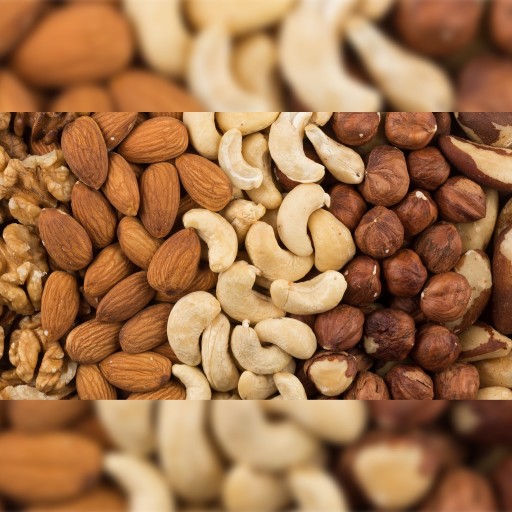
Nuts are often considered superfoods, rich in healthy fats, protein, and fiber, and are indeed part of a healthy diet. However, nuts are also highly calorie-dense and high-fat foods. Eating a handful is fine, but eating two or three handfuls can quickly lead to a bloated stomach and even mild nausea.
Moreover, the fiber and natural oils in nuts are quite “strong,” and consuming too many can be hard on the stomach. Especially if you accidentally eat half a can of mixed nuts while watching TV at night, your stomach will definitely have something to say the next day.
How to eat them better: A small handful (about 20–30 grams) is the ideal portion. Don't eat directly from the whole can; instead, portion them out into small bags and pack them in your lunch bag or use them as a snack. Opt for unsalted, unroasted, and unsweetened varieties.
Broccoli: Good for the gut, but not for the stomach
As a high-fiber vegetable, broccoli ranks highly on healthy eating lists and is commonly found in rice bowls, low-carb lunches, and weight-loss menus. However, many people have experienced this: after eating half a bowl of broccoli in a meal, their stomach feels bloated like a drum, accompanied by embarrassing “noises.”
This is because broccoli belongs to the cruciferous vegetable family, which contains abundant sulfur compounds and indigestible carbohydrates. These are easily fermented by bacteria in the intestines, producing large amounts of gas. Eating a small amount is fine; eating too much can lead to an “internal storm.”
How to eat it better: Cooking method is key. Broccoli should be thoroughly cooked to reduce sulfur compound residue. Limit portions to about one-third of a bowl per meal, and pair it with easily digestible foods like rice, chicken, and olive oil to neutralize the irritation. For those with sensitive stomachs, consider substituting pumpkin or spinach.
Dried Fruit: The Sweet Hidden Bomb
Fig, raisin, cranberry, and date dried fruits—these small dried fruits appear healthy, natural, and sweet, making them a common snack in offices or fitness meals. However, the issue is that they are small in size, have a high sugar density, and many commercial dried fruits also contain added sugar and preservatives.
A handful of dried fruit may contain as much sugar as 3–4 whole fruits. Additionally, the fiber in dried fruit is not easily digested quickly. If consumed too quickly or in large quantities, it can easily cause bloating, slow digestion, or even mild diarrhea.
How to eat them better: Use dried fruit as a seasoning, not the main snack. For example, add a few raisins to oatmeal or salad, and keep consumption under 30 grams per day. If you want something sweet, opt for fresh fruits instead, which provide a stronger sense of fullness and are gentler on the stomach.
Ice Cream: A Treat for the Mouth, a Challenge for the Stomach
Ice cream is a summer delight, but it’s also a “trigger” for gastrointestinal issues. Combining high sugar, high fat, low temperature, and dairy products, it’s one of the most common culprits behind digestive discomfort.
Eating large amounts can cause rapid fluctuations in blood sugar levels, especially when followed by a large bowl of ice cream after a meal, which can easily lead to digestive strain. For those with mild lactose intolerance or sensitive digestive systems, consuming too much ice cream may directly result in diarrhea or stomach cramps.
How to eat it better: Small portions and eating slowly are key. One scoop (about 100 grams) is enough to satisfy your craving. It's best to choose brands with lower lactose content or try plant-based ice cream made with coconut milk or almond milk as a base. Avoid eating cold drinks on an empty stomach and don't eat two or three scoops at once.
“Moderation” is not an empty phrase; it is your body's true limit. The foods mentioned above are not inherently “bad” and are even considered healthy or natural choices, but once they exceed your digestive system's capacity, they will immediately cause you discomfort.
Our bodies are not obligated to indulge the whims of our taste buds. Learning to listen to your body's natural rhythm is the greatest respect you can show your health. The focus of eating is not “whether you can eat it,” but “how much you eat.”
So, the next time you're faced with a large portion of cheese-baked potatoes, a whole box of dried fruit, or a jar of mixed nuts, pause for a moment and ask yourself, “Do I really need this much?” Perhaps, a happy stomach is just one bite away from becoming unhappy.
 1
1 1
1OTHER NEWS
-
- With China's exports declining, is the global consumption chain beginning to break?
- By ZXY 31 Jul,2025

-
- Should you Choose a Real Estate Agent When Buying a Home?
- By Wendy 24 Apr,2023

-
- Gold surges to a new all-time high—what are investors afraid of?
- By ZXY 29 Jul,2025

-
- Trump reignites tariff war, global supply chains face another shakeup
- By ZXY 28 Jul,2025

-
- High-yield stocks vs. growth stocks: Which type of investment is more resistant to risks? A game of wealth defense and offense
- By ZH 23 Jul,2025

-
- Yield Curve Inversion Resurfaces: Is There Still Hope for a Soft Landing in the U.S. Economy?
- By ZXY 31 Jul,2025

-
- Mobile phone is the bank: one-click account opening, one-click financial management, digital financial life is coming
- By ZH 24 Jul,2025

-
- How do I Choose Between Selling my Home and Renting it out?
- By Wendy 24 Apr,2023

-
- How much longer can the eurozone hold out? The ECB has reached the end of its rate hike cycle
- By ZXY 01 Aug,2025

-
- Do small businesses really need tax services? When can they file their own taxes?
- By YCY 27 Jan,2026

-
- How to Avoid Being Scammed by Credit Card Fraud!
- By Wendy 24 Apr,2023

-
- How much longer can the seven tech giants of the US stock market withstand high interest rates?
- By ZXY 28 Jul,2025